
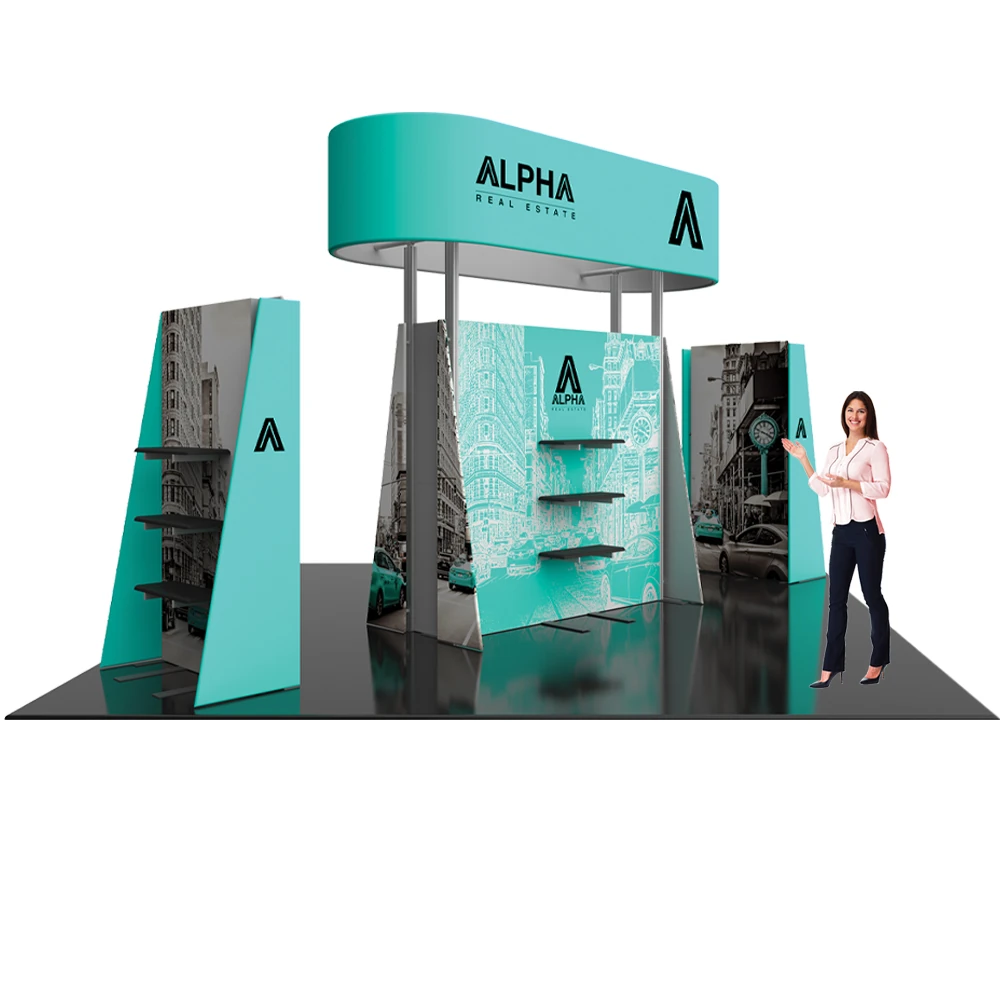
Booth Formats

Booth Types for Cincinnati trade show teams

Trade Show Services of Cincinnati supports Booth Types across Downtown Cincinnati Convention District, Sharonville and Cincinnati North Corridor, Butler County Growth Corridor, and the wider Cincinnati tri-state market with disciplined planning that stays grounded in fit, timing, and live execution.

Booth Types for Cincinnati trade show projects

Overview

Booth Types in Cincinnati matter most when buyers compare them against room fit, install pace, staffing logic, service ownership, and what the event has to achieve once attendees are in the building.

Treat Cincinnati as a tri-state event market. Anchor the downtown convention district first, then cover Sharonville and the north I-75 corridor, Butler County growth markets, the east-side business corridor, Northern Kentucky riverfront venues, and the CVG airport corridor that feeds exhibitor, staff, and attendee movement. That changes the answer because downtown convention work, the Sharonville expo corridor, Northern Kentucky hospitality inventory, and airport-adjacent meetings do not all reward the same planning choice.

A strong booth type decision makes the rest of the project easier to sequence. It clarifies what should be locked early, what can stay flexible, and what will affect labor, freight, utilities, AV, graphics production, and show-week supervision.

Most buyers do not need every available option. They need the few choices that protect the room, the schedule, and the commercial goal without forcing avoidable rework later.

That is why the writing stays tied to fit, timing, and execution. Each topic should help the buyer tighten the brief before order deadlines, dock timing, and venue approvals start controlling the conversation.

The value is practical: fewer weak assumptions, cleaner handoffs, and a better chance that the next venue, service, or format decision holds up once the project turns live.

Booth Types
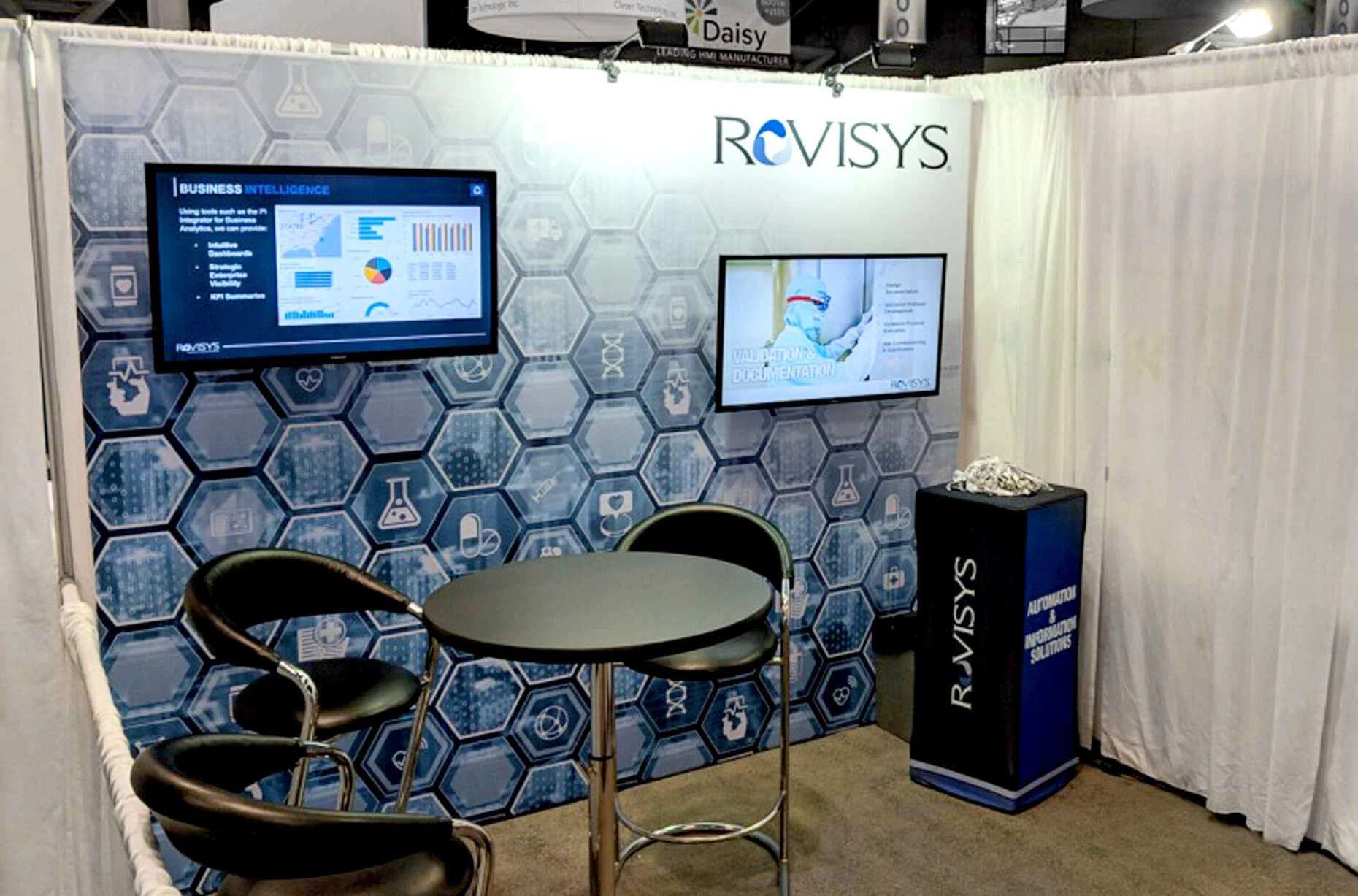
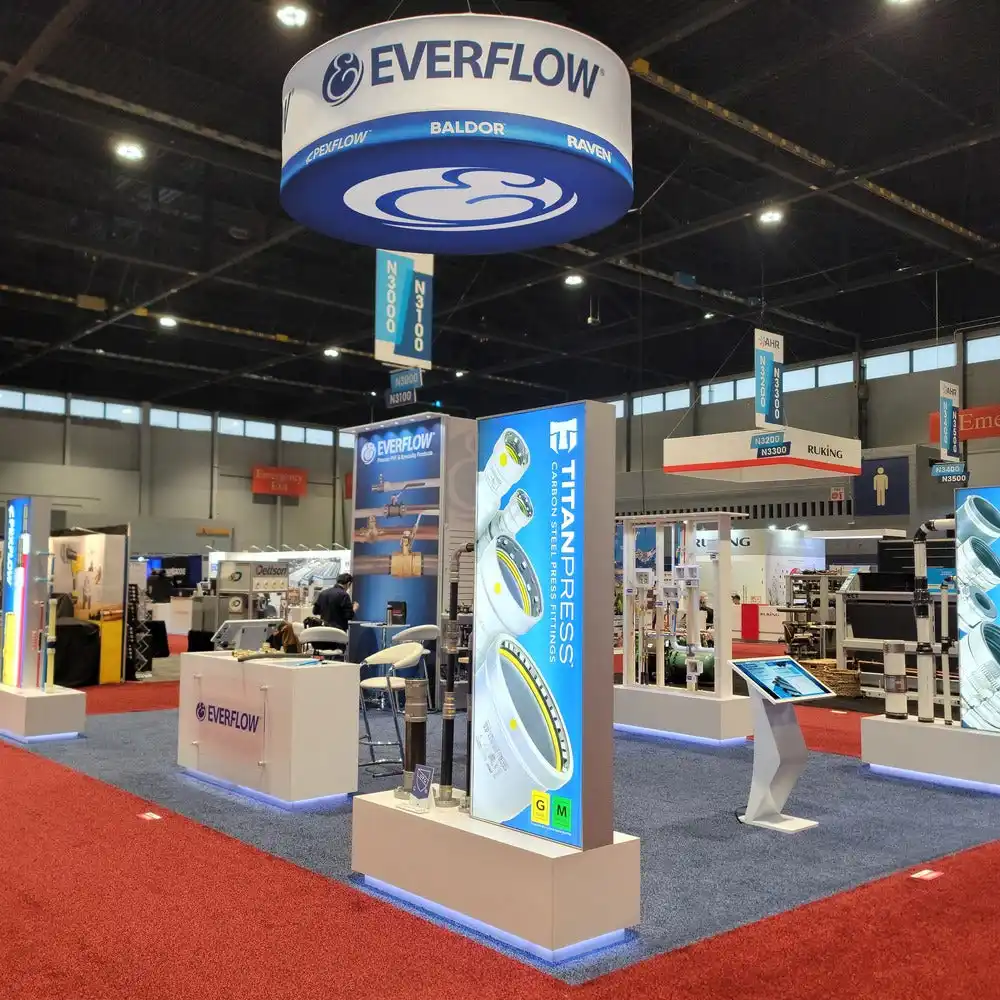
Inline Booth Displays
Inline Booth DisplaysBooth Type

Inline Booth Displays with Cincinnati fit, timing, ownership, and execution context.

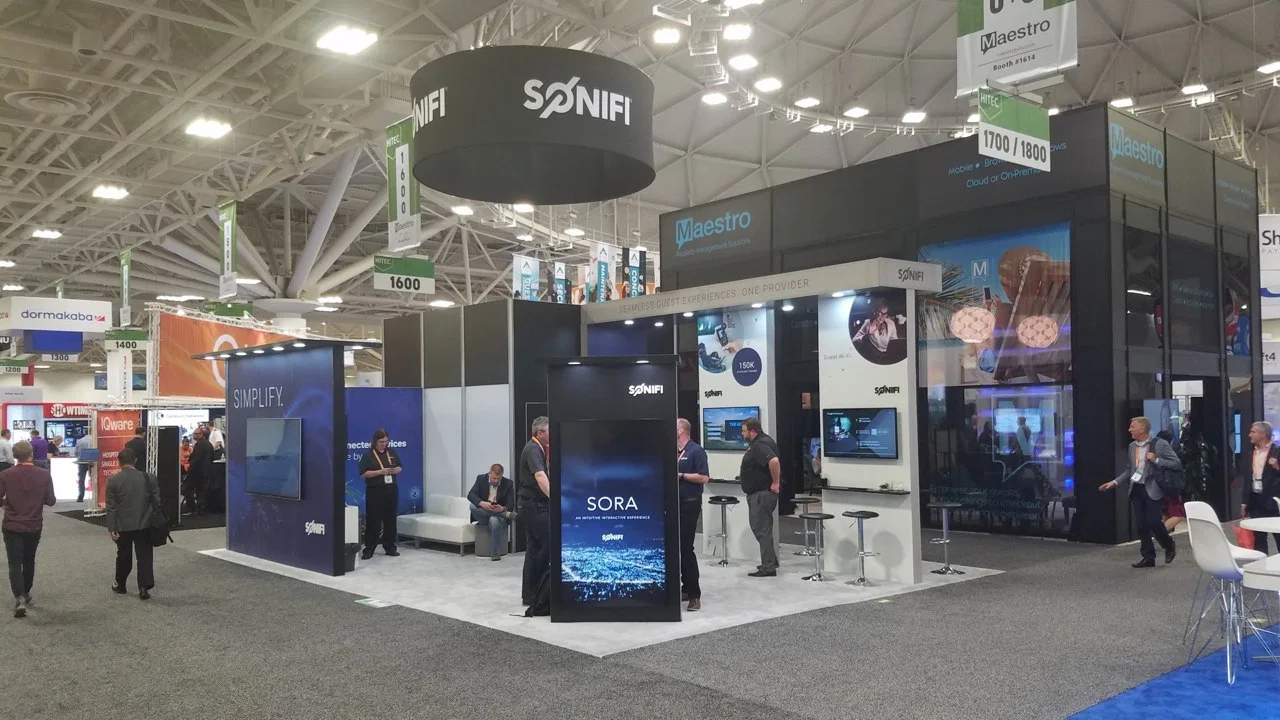
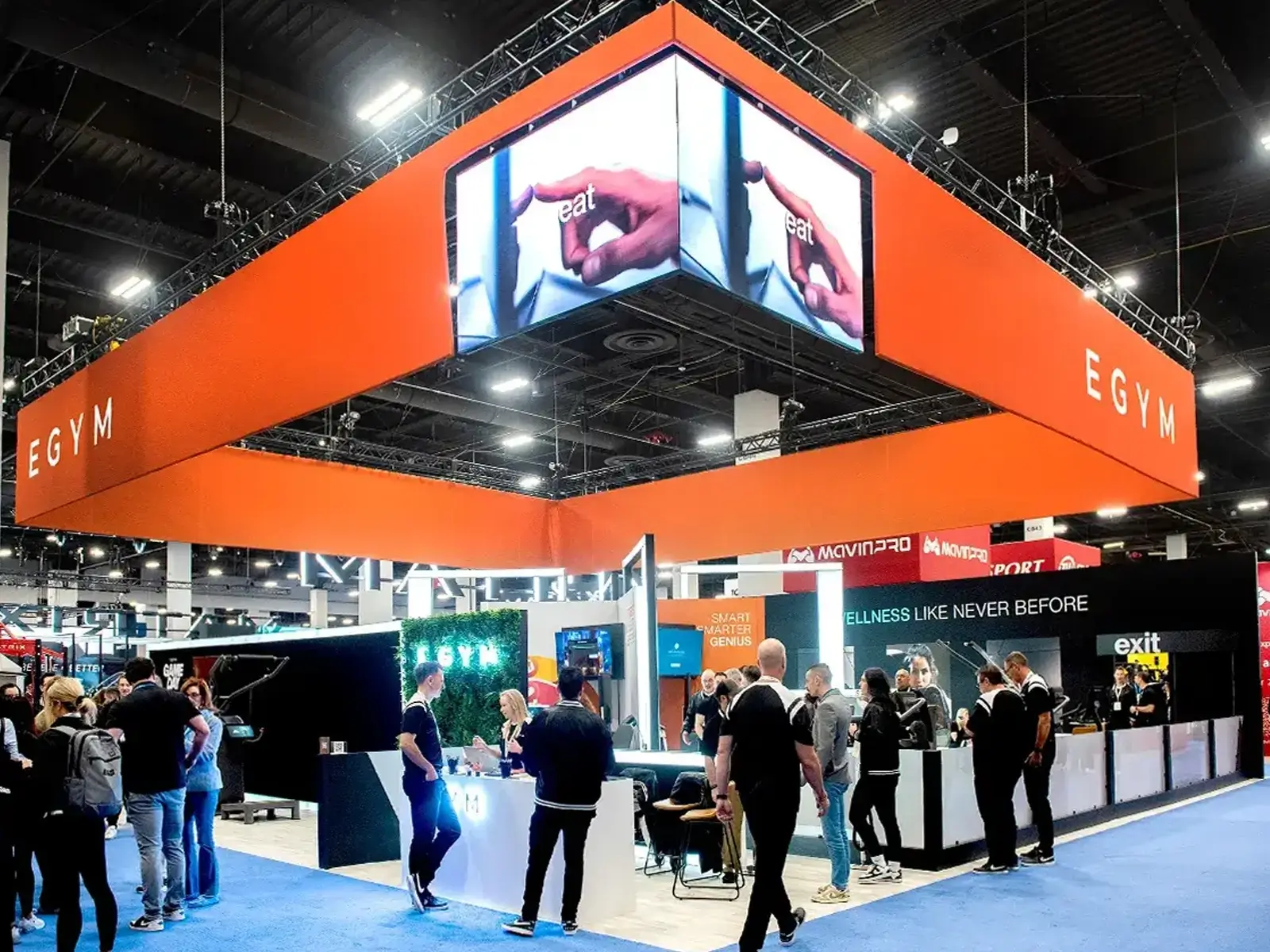
Island Exhibit Booths
Island Exhibit BoothsBooth Type

Island Exhibit Booths with Cincinnati fit, timing, ownership, and execution context.

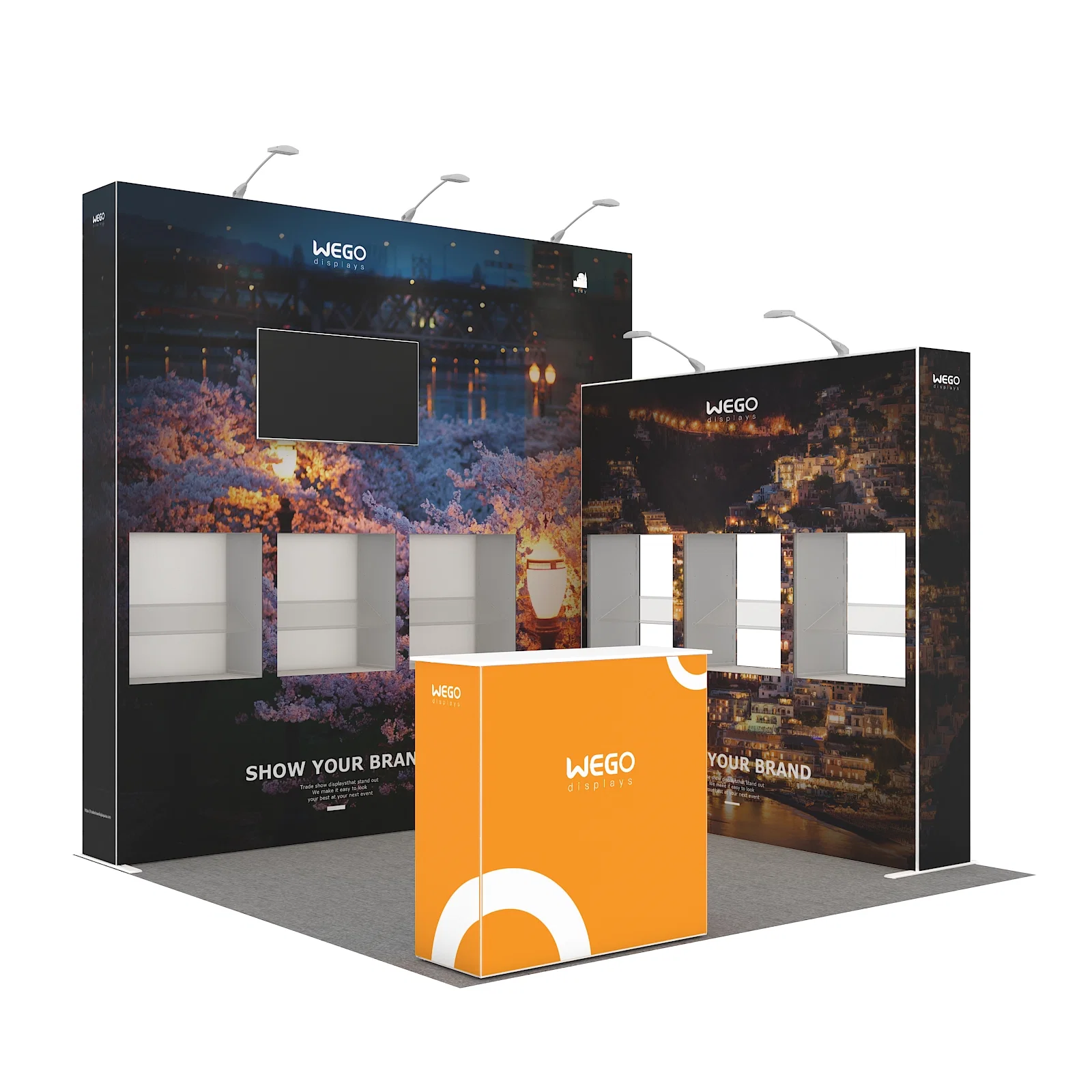
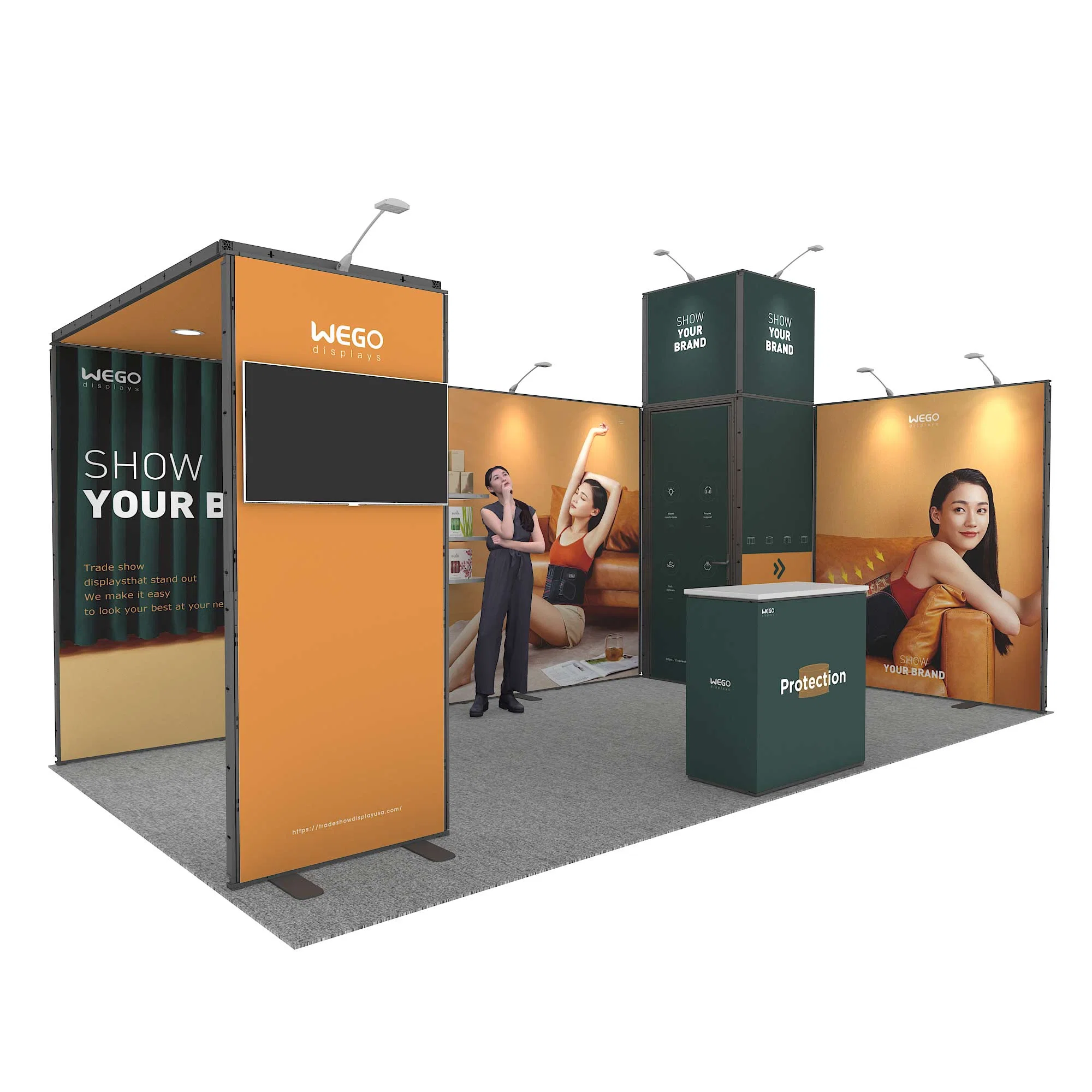
Modular Trade Show Booths
Modular Trade Show BoothsBooth Type

Modular Trade Show Booths with Cincinnati fit, timing, ownership, and execution context.

Portable Trade Show Displays
Portable Trade Show DisplaysBooth Type

Portable Trade Show Displays with Cincinnati fit, timing, ownership, and execution context.

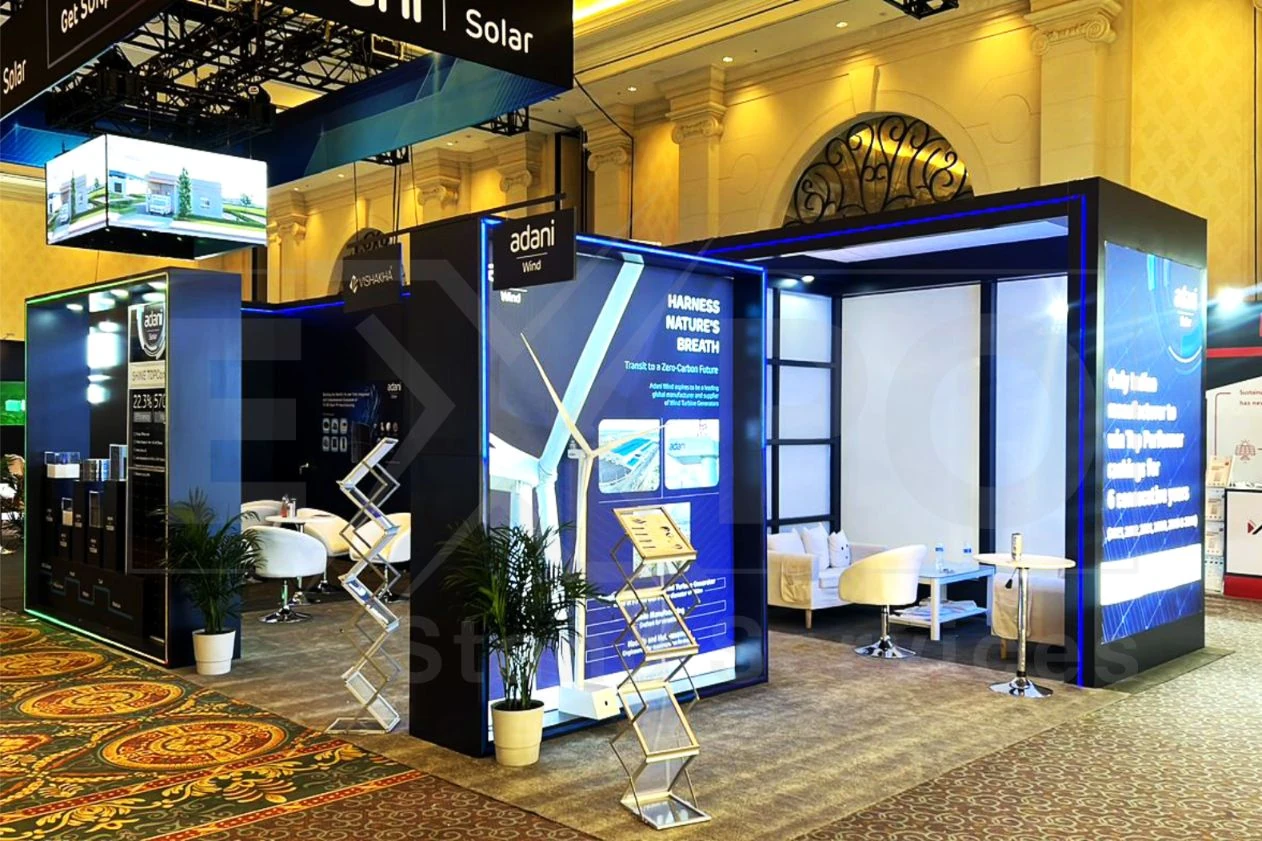
Custom Exhibit Booths
Custom Exhibit BoothsBooth Type

Custom Exhibit Booths with Cincinnati fit, timing, ownership, and execution context.

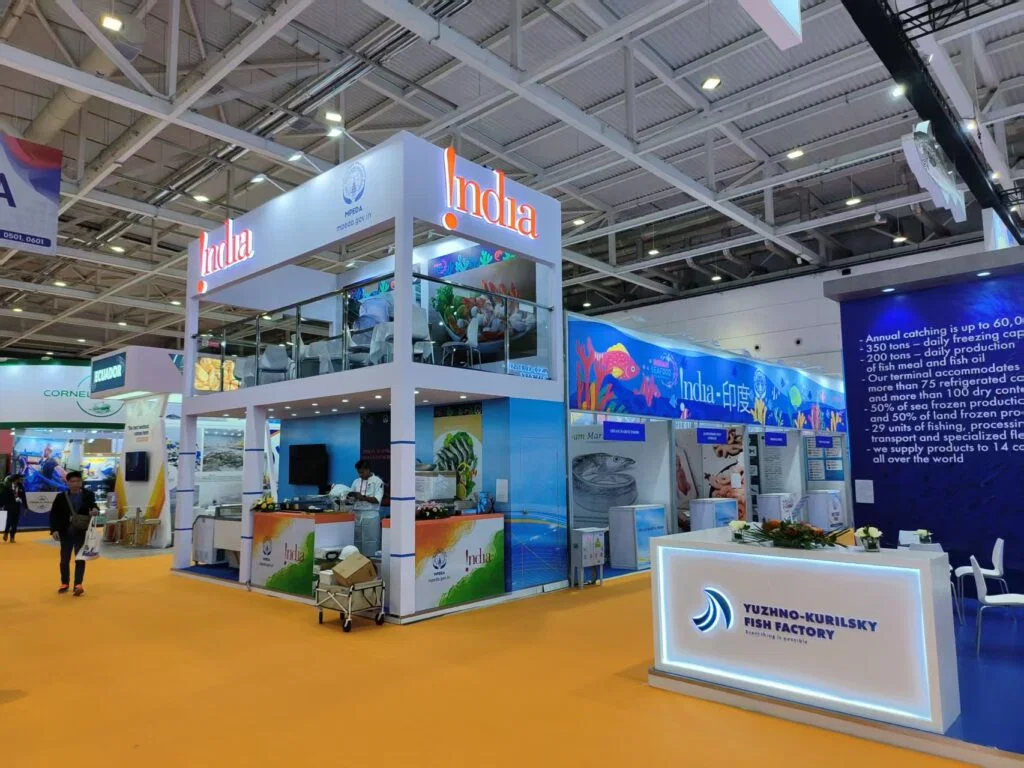
Double-Deck Exhibits
Double-Deck ExhibitsBooth Type

Double-Deck Exhibits with Cincinnati fit, timing, ownership, and execution context.

Rental Exhibit Booths
Rental Exhibit BoothsBooth Type

Rental Exhibit Booths with Cincinnati fit, timing, ownership, and execution context.

Conference Booth DisplaysBooth Type

Conference Booth Displays with Cincinnati fit, timing, ownership, and execution context.

10x20 Inline Trade Show Booths
10x20 Inline Trade Show BoothsBooth Type

10x20 Inline Trade Show Booths with Cincinnati fit, timing, ownership, and execution context.

20x20 Trade Show Booths
20x20 Trade Show BoothsBooth Type

20x20 Trade Show Booths with Cincinnati fit, timing, ownership, and execution context.

10x10 Trade Show BoothsBooth Type

10x10 Trade Show Booths with Cincinnati fit, timing, ownership, and execution context.

Backlit & LED DisplaysBooth Type

Backlit & LED Displays with Cincinnati fit, timing, ownership, and execution context.

Banner Stands & Retractable DisplaysBooth Type

Banner Stands & Retractable Displays with Cincinnati fit, timing, ownership, and execution context.

Table Top Displays & ThrowsBooth Type

Table Top Displays & Throws with Cincinnati fit, timing, ownership, and execution context.

Backwall & Backdrop DisplaysBooth Type

Backwall & Backdrop Displays with Cincinnati fit, timing, ownership, and execution context.

Planning Notes

Booth Types

Booth Types that hold up under show-week pressure

Booth Types matter because buyers almost never evaluate them in isolation. The real comparison is how each option affects venue pressure, room size, service timing, staffing expectations, and the experience people will have once the environment is active.

That is especially true in Cincinnati, where downtown convention work, Sharonville expo programs, riverfront hospitality events, airport-corridor meetings, and sponsor activations create different venue and schedule conditions even when the commercial objective sounds similar.

The strongest choices are usually the ones that narrow the next decision quickly. If the venue is already fixed, room fit should lead. If the format is still loose, the right answer is the option that most clearly changes setup pace, guest flow, reuse, or service ownership.

For booth types, the practical review starts by matching each option to a real venue, a known audience, and a decision owner. That keeps the buyer from treating a capability, rental, booth format, or service as a generic menu item when the room is already imposing constraints.

Booth Types

What usually needs to be settled first

The first useful pass is usually about reducing ambiguity. Buyers need to know which part of the brief is actually driving the rest: the room, the event format, the service stack, the visual requirement, the installation pressure, or the pace of the travel schedule.

Once that driver is visible, the comparison becomes more useful because the buyer can evaluate options in context instead of treating every room and every event as if they behave the same way.

That is what keeps the conversation practical. It turns a pile of ideas into a smaller set of choices the operations team can actually execute without constant revision.

Booth Types

How venue pressure and logistics change the answer

Room access, utility posture, labor timing, AV needs, freight windows, and guest movement often decide whether a option choice is helping or hurting the project long before anyone sees the finished environment. Those conditions should influence the decision while there is still time to use them, not after the schedule is already committed.

In Cincinnati, that means the same buyer can need a different answer from one quarter to the next without changing the brand objective. The venue cluster, the submarket, and the mix of meetings, expo time, hospitality, or sponsor programming keep rewriting what “practical” means.

A option earns its place when it helps the buyer recognize those venue and schedule differences early and translate them into cleaner design, ordering, setup, and field-control decisions.

Booth Types

What stronger planning usually makes easier

Stronger planning makes the next conversation faster. It clarifies what to order first, what to design first, what to hold flexible, and what needs an owner before show week starts compressing every remaining decision.

It also helps buyers avoid common failures: approving a format that does not fit the room, underestimating service timing, overspending on infrastructure that does not improve the live result, or leaving strike and reuse until the team is too deep into production to change direction calmly.

The value is in making the field picture easier to trust. When that happens, the brief gets tighter instead of broader.

Booth Types

How the surrounding Cincinnati topics connect

The surrounding Cincinnati topics matter because buyers usually do not stop at a single option. They move from venue to service, from location to format, from budget pressure to reuse strategy, and from one event objective to the next decision that will actually change the room.

The best approach is selective. Focus on the topics that sharpen venue fit, service ownership, logistics, and live execution. Leave the rest alone until the brief actually needs them.

The practical goal is to help the buyer reach a more disciplined planning sequence with fewer detours, fewer late changes, and a stronger sense of what the event actually needs to succeed once crews are onsite.

Questions

How should buyers review Booth Types?

Start with the topic closest to the live problem. If the venue is already fixed, begin there. If the format is still open, begin with the option that most clearly affects setup pace, guest flow, and service ownership. The goal is to make the next decision easier, not to read every item in the option.

Why does the Cincinnati market context matter so much?

Because Cincinnati is not one flat event radius. Downtown, the north corridor, the riverfront, hotel programs, and the airport belt all create different setup pressure and different answers around labor, AV, freight, guest movement, and live-event rhythm. A useful option should respond to those differences instead of flattening them.

What does a stronger booth type comparison usually clarify first?

It usually clarifies fit. That may mean fit with the room, fit with the schedule, fit with the buyer objective, or fit with the level of infrastructure the project can realistically support without turning setup and strike into a preventable mess.

When should reuse and the next event enter the conversation?

Immediately. Reuse affects design, procurement, storage, freight, and strike decisions earlier than most teams expect. Even when the first event is the only confirmed stop, a smarter choice often protects the buyer's position for whatever comes next.

What details help move the next conversation forward fastest?

Venue, date, room type or footprint if known, the event objective, and the service gaps that still feel unresolved. Those details usually make it clear which topic should drive the rest of the planning sequence and which supporting topics are worth opening next.

Need help narrowing the right booth type path?

Start with the venue, event date, service mix, and project goals. From there the next Cincinnati delivery decisions usually become much easier to sequence without forcing the brief into avoidable rework.

Start the project brief