
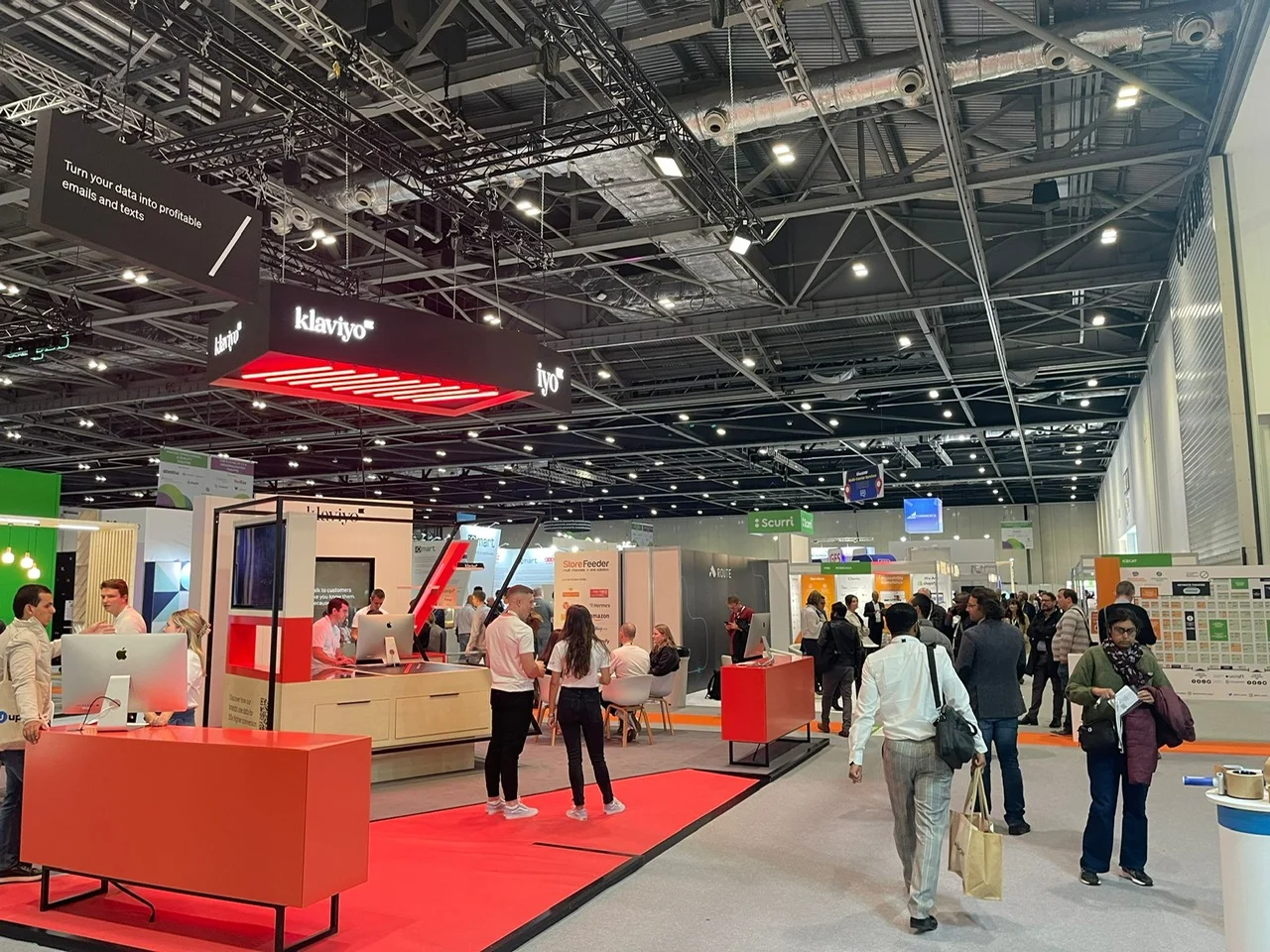
Retail and Ecommerce Event Services is strongest when it is connected to the real Cincinnati show plan: venue communication, labor timing, graphics, fabrication, AV, logistics, and show-site supervision moving on the same schedule. Retail and Ecommerce Event Services is mapped to buyer pressure, audience expectations, and regional demand signals that affect how the work is scoped in Cincinnati. That matters in a market where the same buyer can touch downtown convention inventory, Sharonville expo schedules, Northern Kentucky riverfront hospitality, and airport-adjacent hotels in the same quarter.
Retail and Ecommerce Event Services loses relevance when it sounds generic instead of connecting the work back to the buyer's sector, compliance pressures, and product story. If the buyer is tied to Sports and Sponsorship Activations, venue constraints at Sharonville Convention Center, or routing questions around Sharonville, the conversation has to show how Retail and Ecommerce Event Services fits into a complete project path rather than treating it like a standalone commodity.
The practical value is clarity. Buyers need to understand what this choice does to schedule, room behavior, live execution, and the budget path once the event moves from broad intent into real production decisions.
When that field picture is clear, the buyer can make earlier decisions about the room, service ownership, staffing, and budget priorities before the calendar starts deciding those issues for them.
- Start planning for Retail and Ecommerce Event Services with the actual venue, event date, scope, and buyer objective instead of a loose wish list.
- Keep Trade Show Labor Coordination, labor timing, AV, graphics, utilities, freight, and onsite ownership on one readable calendar.
- Confirm access windows, order deadlines, power, internet, and room constraints early enough to change design and procurement decisions.
- Make storage, demo needs, meetings, hospitality, and lead-capture expectations explicit before production work starts drifting.
- Assign show-site leadership before move-in so venue questions and punch-list items do not bounce between vendors.
- Treat strike, returns, storage, and the next stop as part of the first planning pass.
How Retail and Ecommerce Event Services fits the Cincinnati market
Retail and Ecommerce Event Services belongs inside the full Cincinnati tri-state event map, not as a disconnected tactic. Treat Cincinnati as a tri-state event market. Anchor the downtown convention district first, then cover Sharonville and the north I-75 corridor, Butler County growth markets, the east-side business corridor, Northern Kentucky riverfront venues, and the CVG airport corridor that feeds exhibitor, staff, and attendee movement. That regional shape matters because downtown convention work, the Sharonville expo corridor, Northern Kentucky convention and hospitality inventory, and the CVG-facing hotel belt do not all create the same operational pressure.
Sports and Sponsorship Activations is one of the clearest active demand drivers in this market. Premium sports venues keep sponsor programs, fan engagement, and hospitality-driven event work active across the market. That makes Retail and Ecommerce Event Services a real planning question for buyers because timing, venue fit, attendee behavior, sponsor pressure, and service coordination all change with the brief.
A strong Retail and Ecommerce Event Services plan gives buyers a more credible planning path because it reflects their market, buyer pressure, and real event conditions. The useful outcome is a clearer sense of how Retail and Ecommerce Event Services connects to venue choice, delivery sequencing, and the surrounding Cincinnati venue clusters across Downtown Cincinnati Convention District, Sharonville and Cincinnati North Corridor, Butler County Growth Corridor.
The point is to make the decision practical. Buyers should come away with a better sense of what needs to be decided first, what room conditions matter most, and how the next production decision changes once the market context is real.
- Connected to Sharonville Convention Center
- Written for Sharonville and the wider Cincinnati North
- Scoped for real room conditions and show-week execution
- Structured to help buyers compare fit, timing, and ownership
Venue rules, labor posture, and routing realities
Cincinnati should be treated as a mixed, venue-directed labor market. Downtown convention work, suburban expo facilities, NKY convention inventory, stadiums, and hotel venues each publish different ordering, AV, catering, and exhibitor-service paths. Final labor expectations should always be confirmed in the current exhibitor kit, service order form, private-event agreement, and organizer manual. That public positioning matters because the Cincinnati market is mixed and venue-directed. Sharonville expo work usually depends on service-order timing, decorator coordination, dock discipline, and venue-managed utilities that affect how booth plans are staged. Labor, utilities, IT, rigging, AV, and decorator flow all need to stay grounded in the actual room and event workflow instead of broad assumptions carried over from another show.
Sharonville Convention Center is especially relevant here because it is tied to regional expos, consumer shows, association meetings, banquet programs, and suburban trade show execution, with easier parking and simpler suburban load-in conditions than the downtown convention core. Sharonville expo work usually rewards practical booth formats, faster setup, disciplined service ordering, and cleaner reuse across repeat events. Details like that change how teams schedule advance work, decide on pre-build versus on-site assembly, choose the right freight path, and protect enough time for final checks before the event opens.
Sharonville matters for routing as well. Primary suburban expo node with the convention center, hotel cluster, and free-parking advantage. That location logic affects staff movement, hotel blocks, truck access, rehearsal schedules, and the buffer needed between meeting rooms, exhibit floors, hospitality programs, and strike. Any workable plan for Retail and Ecommerce Event Services has to acknowledge those local realities.
When buyers miss those realities, the problems show up fast: compressed install windows, wrong staffing assumptions, late utility changes, and a project plan that feels much more expensive than it looked on the first call.
How the scope is structured before move-in
The cleanest path is to translate Retail and Ecommerce Event Services into a schedule early. That means confirming the brief, mapping graphics and fabrication milestones, ordering show services, lining up labor and technical needs, and deciding who owns field leadership once the room starts changing. Trade Show Labor Coordination often becomes the connective layer because it forces those decisions into one shared show plan instead of leaving them across multiple inboxes.
That sequencing matters especially when the project connects to Sports and Sponsorship Activations or other buyer groups that expect strong brand control and predictable execution. Buyers do not experience the project as separate departments. They experience one booth, one registration environment, one event floor, or one sponsor activation. The plan behind the scenes should feel just as coordinated as the environment they see live.
Sharonville expo work usually depends on service-order timing, decorator coordination, dock discipline, and venue-managed utilities that affect how booth plans are staged. When those conditions are acknowledged before move-in, the team can make better decisions about booth format, staffing level, furniture, utilities, staging, rehearsals, loading windows, and the sequence for install and dismantle.
That is what keeps the brief from turning reactive. A stronger sequence reduces rework, keeps design and operations pointed at the same objective, and gives the field team a clearer job once they are in the room.
Show-week control and field leadership
No matter how strong the pre-show brief is, Retail and Ecommerce Event Services still needs a clean decision path once the team is onsite. That means naming who answers venue questions, who owns the production calendar, who manages labor and AV handoffs, and who closes punch-list items without letting them bounce across vendors. Field leadership is what keeps a straightforward build from becoming reactive once the dock opens or the ballroom flips.
In Cincinnati, that show-week control also has to account for how venues are distributed across the market. A downtown convention-center project can overlap with sponsor events on the riverfront, hotel functions in Covington, or hotel-rooming pressure in Sharonville. Those overlaps are why location, venue, and service decisions have to stay coordinated from the start.
The output should feel calmer, not louder. Strong field control is not about making a bigger promise. It is about reducing confusion, protecting timing, and making sure that every last-minute choice still respects the room conditions, the labor posture, and the broader project path established before move-in.
That calm matters because buyers feel it immediately. The event looks more intentional, the crew has fewer avoidable collisions, and the room is able to support the commercial objective instead of constantly demanding emergency fixes.
Budget, logistics, and repeatability
Retail and Ecommerce Event Services is also a budget and repeatability question. Buyers usually want to know whether the plan is helping them control cost, shorten lead time, improve reuse, protect visual quality, or make the next show easier to absorb. Those are valid questions, and they need to be answered in a way that still respects venue behavior and the actual handoff between fabrication, storage, freight, install, live days, and returns.
That is where Cincinnati's market shape matters again. Downtown programs, Sharonville expo work, Butler County meetings, and Northern Kentucky hospitality events create different financial pressures even when the brand objective sounds similar. Freight windows, labor posture, hotel density, and venue-managed services all change the path. Strong plans have to answer to those site-specific conditions instead of pretending one market pattern solves every brief.
Repeatability matters because a strong project often starts with one show and expands into multiple cities, repeat annual events, or a broader regional program. When Retail and Ecommerce Event Services is planned correctly the first time, it becomes easier to scale, easier to brief internally, and easier to adapt when the venue, footprint, or supporting services change.
That does not mean every choice has to be conservative. It means the plan should understand which decisions deserve investment now and which ones should stay flexible so the next stop is easier instead of harder.
What stronger planning looks like in practice
Stronger planning is specific without sounding narrow. It speaks directly about room behavior, setup pace, staffing logic, show-week control, and the business outcome the event has to support. It does not hide behind abstract positioning or pretend every venue and format creates the same event problem.
That specificity helps buyers trust the path because they can see how the work will behave once people, product, utilities, freight, labor, and deadlines are all moving at once. The goal is to sound like a team that has already thought through the room, not like a generic description of trade shows in the abstract.
When that clarity is present, the next conversations get faster. Buyers can choose the right venue, the right support stack, and the right production order with fewer detours because the implications of the decision are already visible.
What buyers usually sort out next
A buyer rarely stops at Retail and Ecommerce Event Services alone. The next decision is usually whether the work belongs in Sharonville Convention Center, whether the plan should be anchored around Sharonville, or whether Trade Show Labor Coordination needs to be scoped at the same time so labor, freight, graphics, and onsite leadership stay inside one shared plan.
That is where the surrounding Cincinnati topics become useful. Venue planning clarifies building pressure and service-order realities. Location planning helps frame routing, hotel behavior, and how the project sits inside the wider Cincinnati North region. Service planning makes it easier to define who owns the live execution once the brief moves from strategy into production.
The practical goal is simple: help the buyer move from a broad interest in Retail and Ecommerce Event Services to a tighter plan with the right venue, the right support stack, and the right next conversation before deadlines start collapsing the schedule.
Cincinnati venues we work
Cincinnati events cluster around a small number of venues, and each one has a different personality on the floor.
Across the Cincinnati venue set, what changes between buildings are the labor model, the rigging approval path, the drayage setup, and the published move-in window. The plan has to match the specific building.
Delta Hotels Marriott Cincinnati Sharonville. 17,405 square feet of total event space and a largest-space capacity of 1,100.
The hotel has 230 rooms, 12 suites, an 8,400-square-foot grand ballroom, and more than 7,500 square feet of outdoor patio space.
Hyatt Place Cincinnati / Sharonville Convention Center: the hotel offers 2,240 square feet of meeting and event space across three flexible rooms.
Embassy Suites Cincinnati Northeast Blue Ash is one of the anchors. The property has seven meeting rooms and five customizable event spaces.
Operational rules on the Cincinnati floor
Cincinnati floor operations follow the venue's own manual. Dock timing, utility orders, rigging, and crew calls all come out of that document.
Practically, that means pulling the current exhibitor manual for every show and confirming a handful of items in writing: which tasks the venue's house crews cover, which tasks the show's general contractor covers, and what an exhibitor or their appointed contractor can handle without escalation.
Hyatt Place Cincinnati / Sharonville Convention Center — The hotel provides on-site audiovisual equipment and planning support for small-scale events.
Practical planning rules for Retail and Ecommerce Event Services in Cincinnati: Treat Cincinnati as tri-state and mixed: downtown convention work, Sharonville expo work, NKY riverfront events, and stadium / university venues all behave differently. When copy references labor, tie it to the venue, the services team, the exhibitor portal, or the event manual instead of a blanket metro-wide claim.
Where Cincinnati shows cluster
The Butler County Growth Corridor area runs through West Chester, Liberty Township, Mason, Fairfield. Corporate growth, highway access, and hotel meeting space make this a practical planning zone for regional sales meetings and overflow conference work.
Northern Kentucky Riverfront runs across Covington, Newport, Bellevue. The NKY convention center, connected Marriott, aquarium, riverboats, arena, and skyline venues give the riverfront a distinct but integrated event identity.
What's included in the project scope
Retail and ecommerce event services projects typically include design work, fabrication or rental sourcing, graphics production, show-service paperwork, freight, install, show-hours coverage, and strike.
Typical line items include booth structure (custom or rental), graphics and print, AV and lighting, show-service orders (power, internet, rigging), labor calls against the venue's rules, freight both ways, on-site supervision, and post-show closeout documentation.
Good execution comes from keeping the team small and the handoffs short. Every extra vendor in the chain adds a communication layer and a place where details get lost.
For programs that repeat, asset management becomes part of the engagement — storage, graphic rotation, refurbishment, and re-crating are planned rather than one-off.
Scope boundary is as important as scope inclusion. Show organizer fees, client-side staff costs, and any tools the client already owns are handled outside the engagement. Defining that boundary up front prevents billing surprises later.
What an engagement actually looks like
Every project starts with a scope conversation: the show, the venue, the booth number, the dates, and the budget frame. Ten minutes of specifics produces a better plan than a week of generalities.
Once scope is clear, the venue work begins. Exhibitor manual, dock times, utility order IDs, rigging submissions for hanging elements, and labor calls all get locked against the venue's actual rules.
Production brings the plan into physical form: fabrication, graphics, AV, rentals, and the named lead who will run the floor.
One named show-site lead runs the install. Not a rotating crew and not a remote account manager — one person holds the floor plan, the punch list, and the labor calls from crates to doors.
Show-hours coverage is part of every engagement — not a premium add-on. On-floor support keeps the booth running while the client team runs the pipeline.
Closeout is tight: strike, crate, manifest, storage designation, and a written post-show report delivered within a day. That document drives the next booking.
What it costs and how fast it moves
An honest quote itemizes the variables. There is not a single price — there is a configuration.
Cost scales with how it is built, how big it is, what the venue charges for its own services, what the graphics look like, how far the crates travel, and how many days the team stays on-site.
On timing: custom builds for Cincinnati shows run best with 16 to 20 weeks of lead time. Rental programs run on 8 to 12. Anything inside 4 weeks is a rush, which means fewer options and a premium on materials.
How project performance gets measured
A project runs well when install clears the venue's published window, all show services land as ordered, the booth performs across every show day without pulling the client team off pipeline work, and strike clears the dock before the next occupant loads in.
Trade show ROI is measured at the lead and pipeline level. The show-floor execution either protects or undermines those numbers.
The post-show debrief is where the numbers get connected back to the physical booth. Which demo station drew traffic, which meeting area closed more conversations, which graphic zone attracted dwell time — that feedback shapes the next build rather than getting lost.
How we're built to run your project
Trade Show Services of Cincinnati is Cincinnati's local trade show team, with in-house design, fabrication, graphics, and show-site crews. One shop, one point of contact, one accountable lead on every project.
Local fabrication means real-time problem-solving. A graphic that needs to be reprinted at 6 a.m. on install day is a same-morning fix, not a three-day shipping delay.
Clients who run repeat programs across multiple dates end up paying less per event when the same team handles everything. Less re-briefing, less re-training, less re-checking — the operational overhead drops year over year.
What drives the Cincinnati calendar
Cincinnati is a working trade show market. Its anchor venues host hundreds of events a year, and the rhythm of load-in, show hours, and strike is well-established across the local vendor base.
The attendees vary by show — some weeks draw regional operators, others pull international buyers in for a single conference — but the floor mechanics stay consistent. Every booth needs graphics production, show services, labor calls, and a plan for the specific building it's landing in.
Newport Aquarium, Drees Pavilion, BB Riverboats, and NKYCC all market waterfront or skyline-driven event experiences that pair well with sponsor programs and client entertainment — a useful reference point when sizing a project.
the convention center grand reopening was January 2026 and Elm Street Plaza opened in November 2025, making the downtown convention district a current development story rather than a stale legacy venue pitch, which sets the practical ceiling for a booth program working the market.
Frequently asked questions
How is Retail and Ecommerce Event Services scoped for Cincinnati trade show work?
Retail and Ecommerce Event Services is scoped by tying venue conditions, buyer goals, labor timing, graphics, AV, logistics, and show-site leadership into one shared plan so the full project stays coordinated. In practice, that means the decision has to be useful once the team is inside a real room with real deadlines, not just persuasive while the brief is still abstract.
Can this support work at Sharonville Convention Center?
Yes. Trade Show Services of Cincinnati can frame the plan around buildings such as Sharonville Convention Center. That matters because the same Retail and Ecommerce Event Services decision can look very different once access, utilities, room flow, and service timing are taken into account. The room changes what feels efficient, what feels overbuilt, and what has to be decided before the crew arrives.
Why does Sharonville matter here?
Sharonville matters because it affects routing, venue choice, hotel behavior, and how teams move through the wider Cincinnati market. Those local differences change staffing, timing, and venue strategy in ways buyers usually feel right away. Even when the commercial objective is the same, the work can demand a different pace once the submarket changes the path crews, freight, and attendees have to follow.
What makes Retail and Ecommerce Event Services relevant for Sports and Sponsorship Activations programs?
Sports and Sponsorship Activations programs usually need message clarity, venue readiness, timing discipline, and polished execution at the same time. Retail and Ecommerce Event Services is relevant because it changes how those priorities are translated into a workable production plan. This focus area only becomes useful when it helps the buyer understand how the room, the support stack, and the live execution plan should adapt to those priorities.
What information helps move the conversation forward?
Share the venue, show date, service mix, footprint or room type if known, and the business goal behind the program. That is usually enough to identify which venue, service, location, and next-step planning decisions should come first. Once those inputs are real, the brief can move from broad interest into a sequence the team can actually run.
Do you work at Hyatt Regency Cincinnati?
Yes. the hotel in the heart of downtown Cincinnati, steps from the convention center and major sports venues. Projects at that building are planned against its specific floor rules.
How does labor work in Cincinnati?
It runs venue by venue. At Northern Kentucky Convention Center, nKYCC's official IT and price-list materials show exclusive in-house voice / data services, client labor pricing for cable patch work, and floor / standard / discount order timing through the center's services team. Other Cincinnati venues have their own published rules, and the plan matches the specific building.
How much lead time is ideal?
Custom builds run best with 16 to 20 weeks of lead time. Rentals take 8 to 12 weeks. Work inside 4 weeks is possible but raises costs and narrows the options.
What information kicks off a project?
The show, the venue, the booth number, the dates, and a target budget range. From those, an initial scope and a realistic cost come back within a few days.
Who runs the booth on-site?
One named show-site lead runs the install, the show hours, and the strike. That person carries the floor plan and the punch list from crates to doors and reports up once a day.
Can the booth travel to the next city on our calendar?
Yes — builds are designed for modular reuse unless single-use scenic is specifically required. Same structure, swappable graphics, standard crates. Cincinnati programs that roll to another city on the same calendar get handled end to end.
What happens if something breaks during show hours?
The show floor lead handles it. Minor repairs happen in place; anything larger gets sourced from the local fabricators or rerouted through the venue's service desk.